By Dr. Charlie Evans, Lalmba Kenya Medical Director 1988-1990
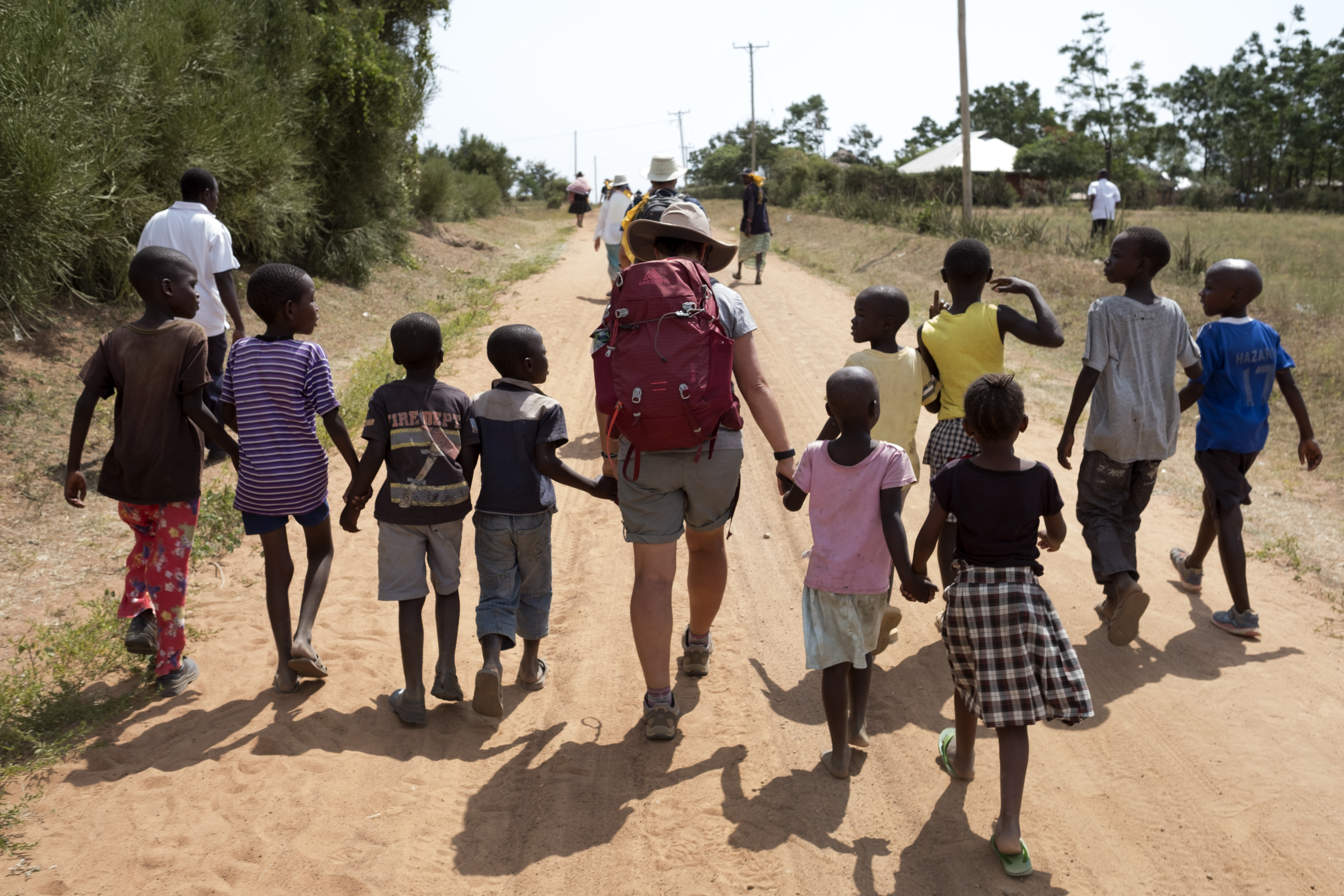
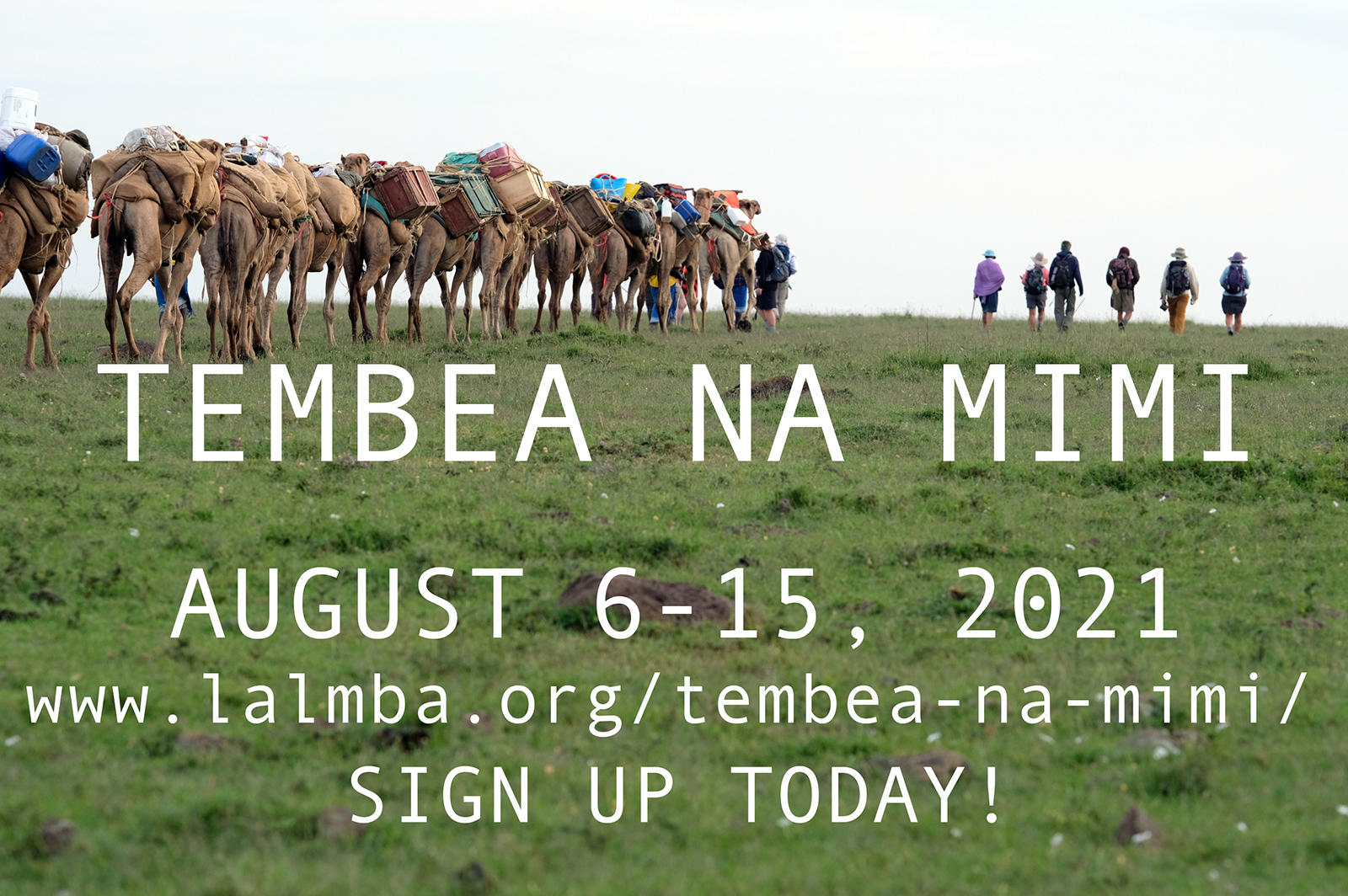
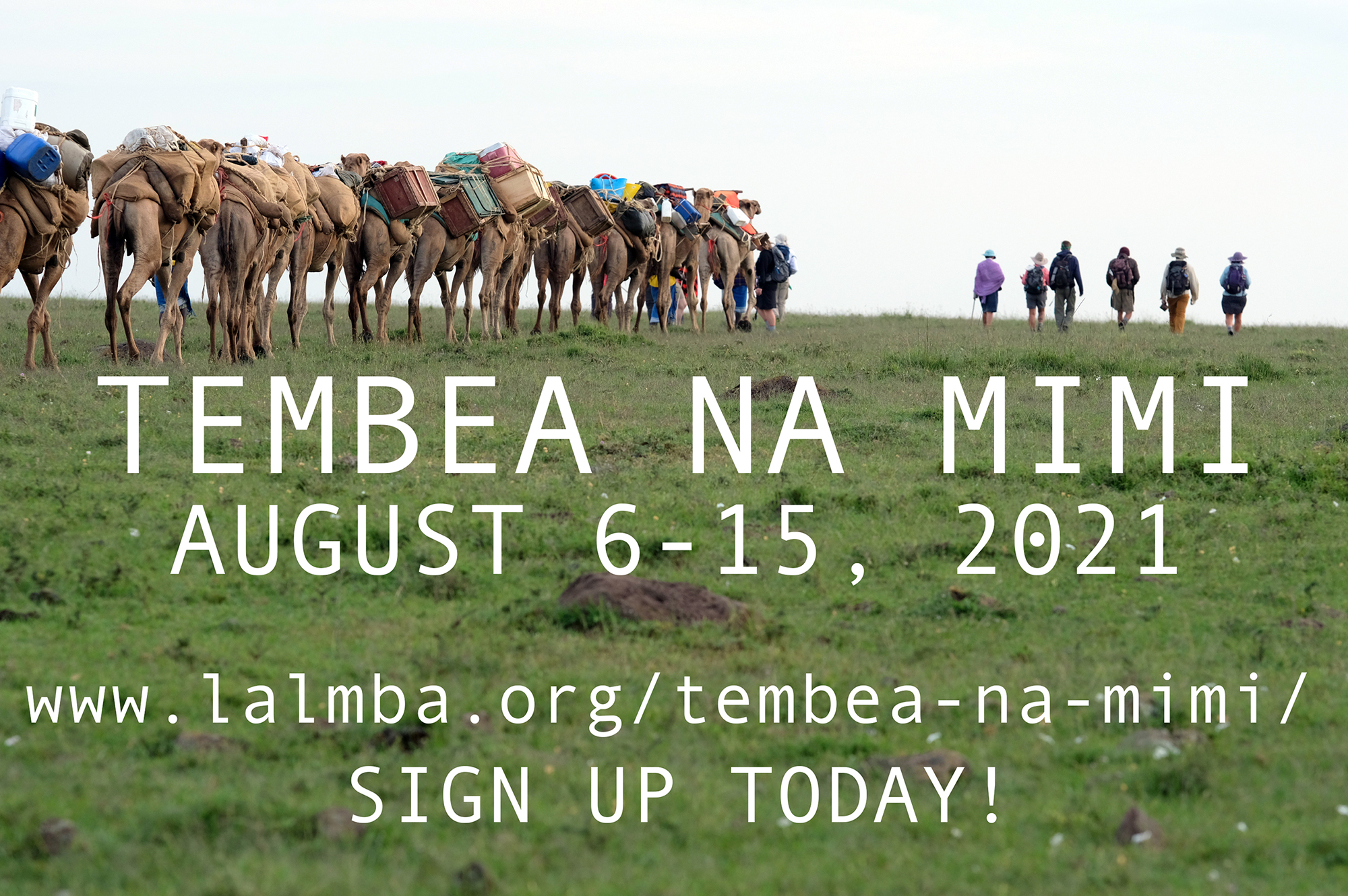
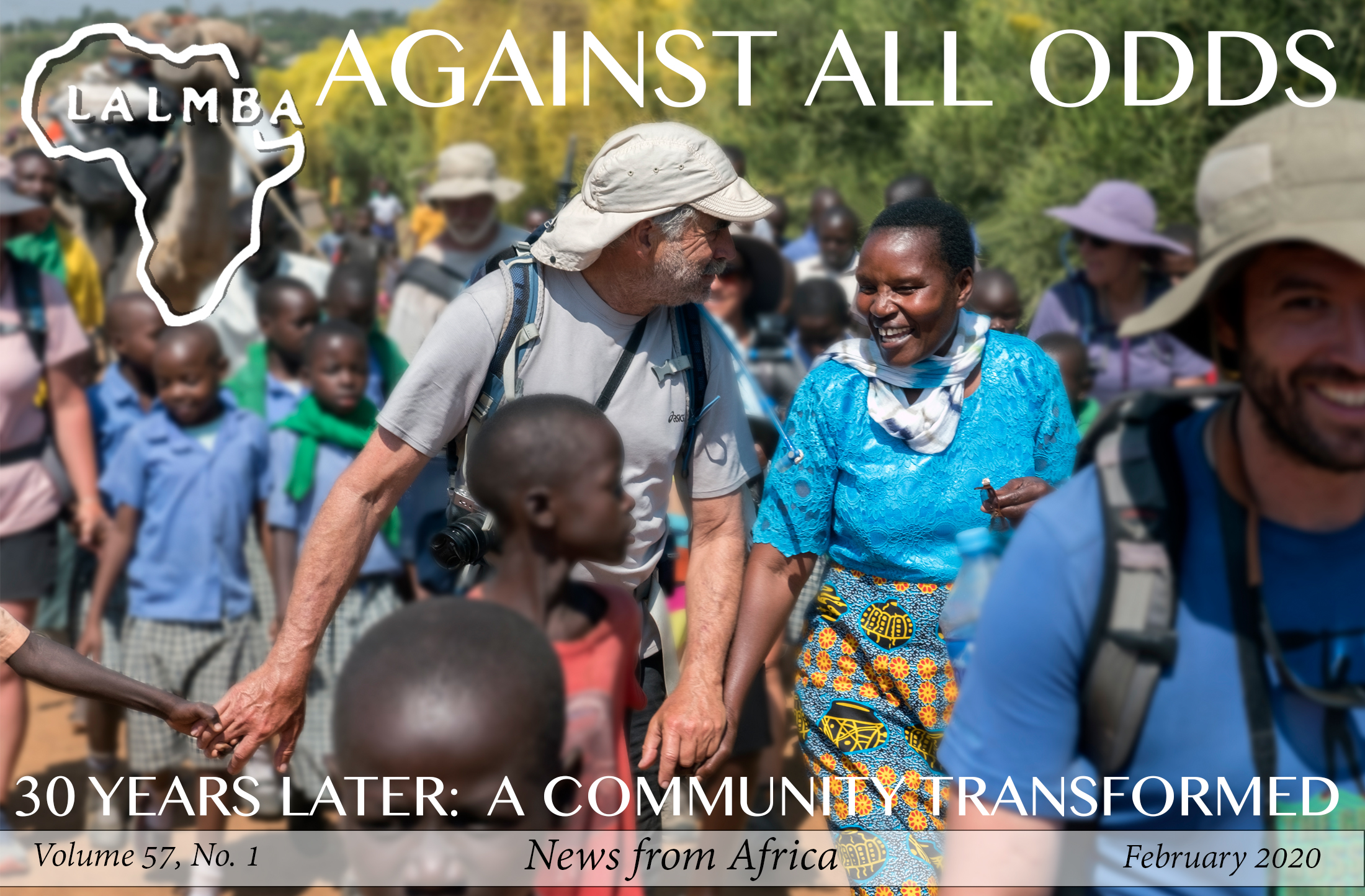
The first time I travelled to Matoso in December 1988, I was in the front seat of a Land Rover bouncing down the road and holding on to the grab bar to keep from hitting the ceiling. The last time I was walking with our TNM (Tembea Na Mimi) 2019 group—including 22 camels and hundreds of schoolchildren vibrantly dressed in burgundy, blue, and green uniforms. Although the road is still rough, the community has transformed.
It was emotional to see this community after 30 years. When we left in 1990, I knew that HIV was going to ravage the village and I also knew that many more changes would be necessary if the community would be able to survive this 20th century plague. We worked tirelessly to educate the staff and the community on this coming epidemic, but I feared what it would bring to this bucolic village on the shore of Lake Victoria. I couldn’t see how any community with so little resources could withstand such a disease. It was with these concerns that I anxiously waited to see how the decades had treated Matoso, and if our work there has truly made a difference.
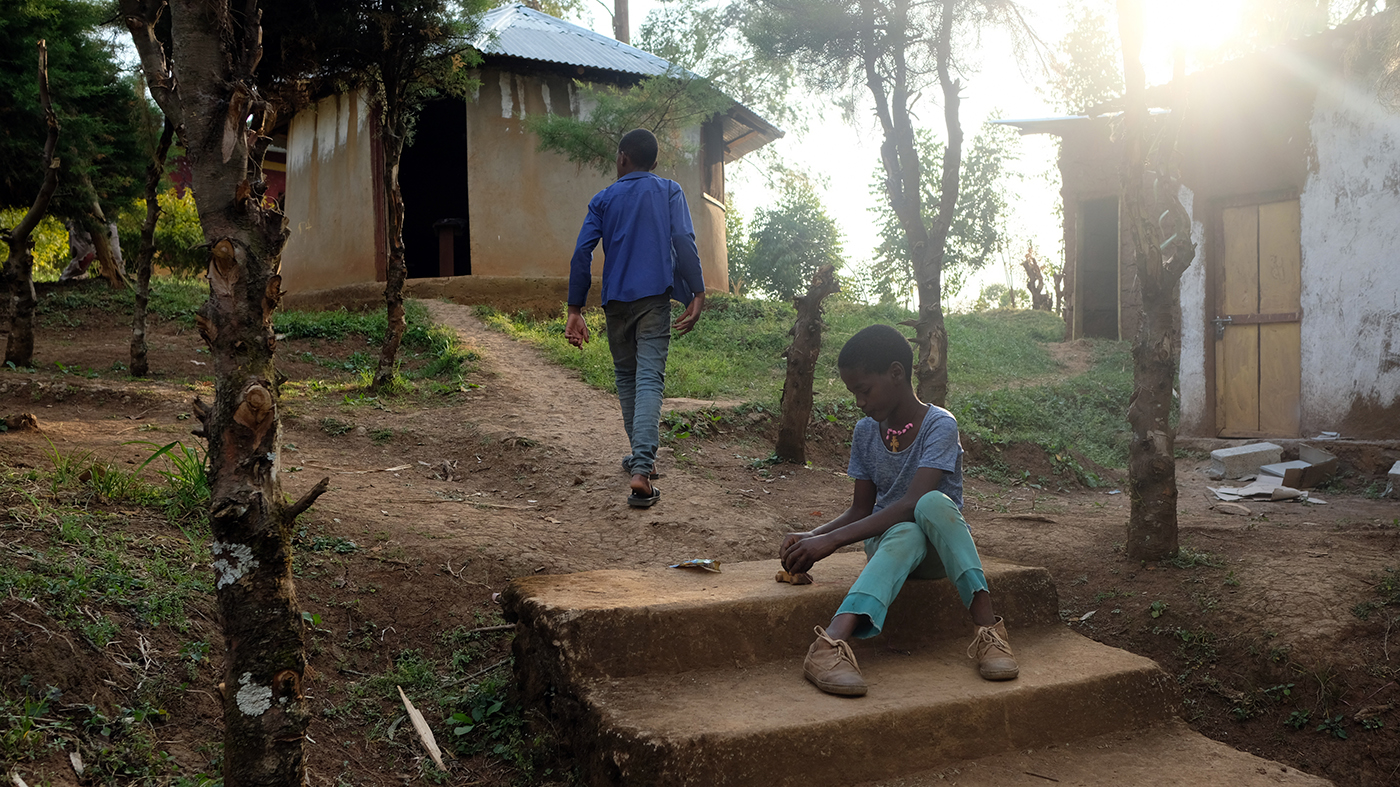
When I walked through the gates in July 2019, under the shade of the 50-foot jacaranda trees that we planted as saplings, tears streamed down my face—tears of joy! A chaotic scene of celebration, of gratitude, and of success surrounded me. The loudspeaker announced our arrival with music blaring and drums beating. I have never felt so welcomed anywhere in my life. This was a community that had suffered through the HIV epidemic and was emerging on the other side. Their resilience and their spirit carried the day.
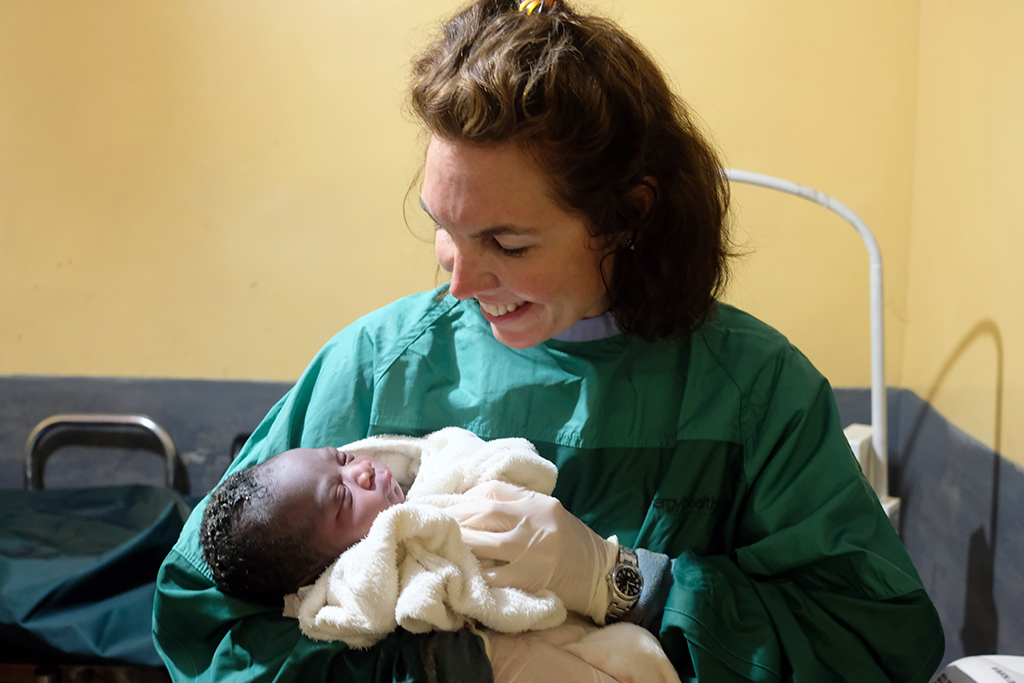
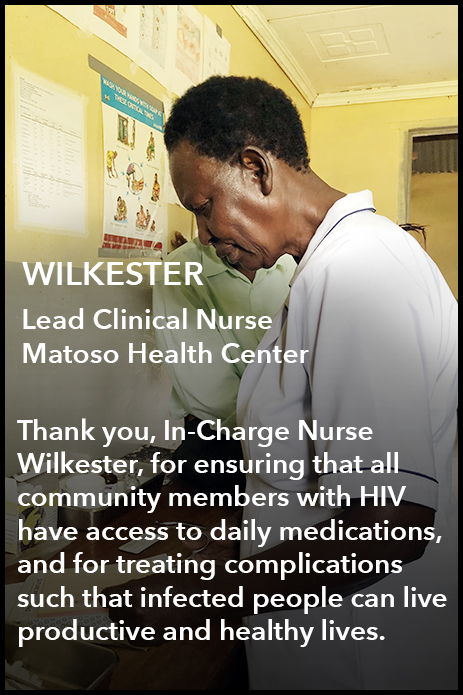
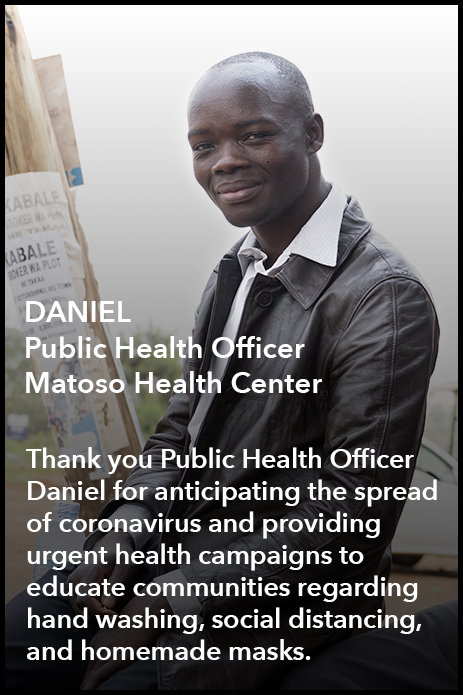
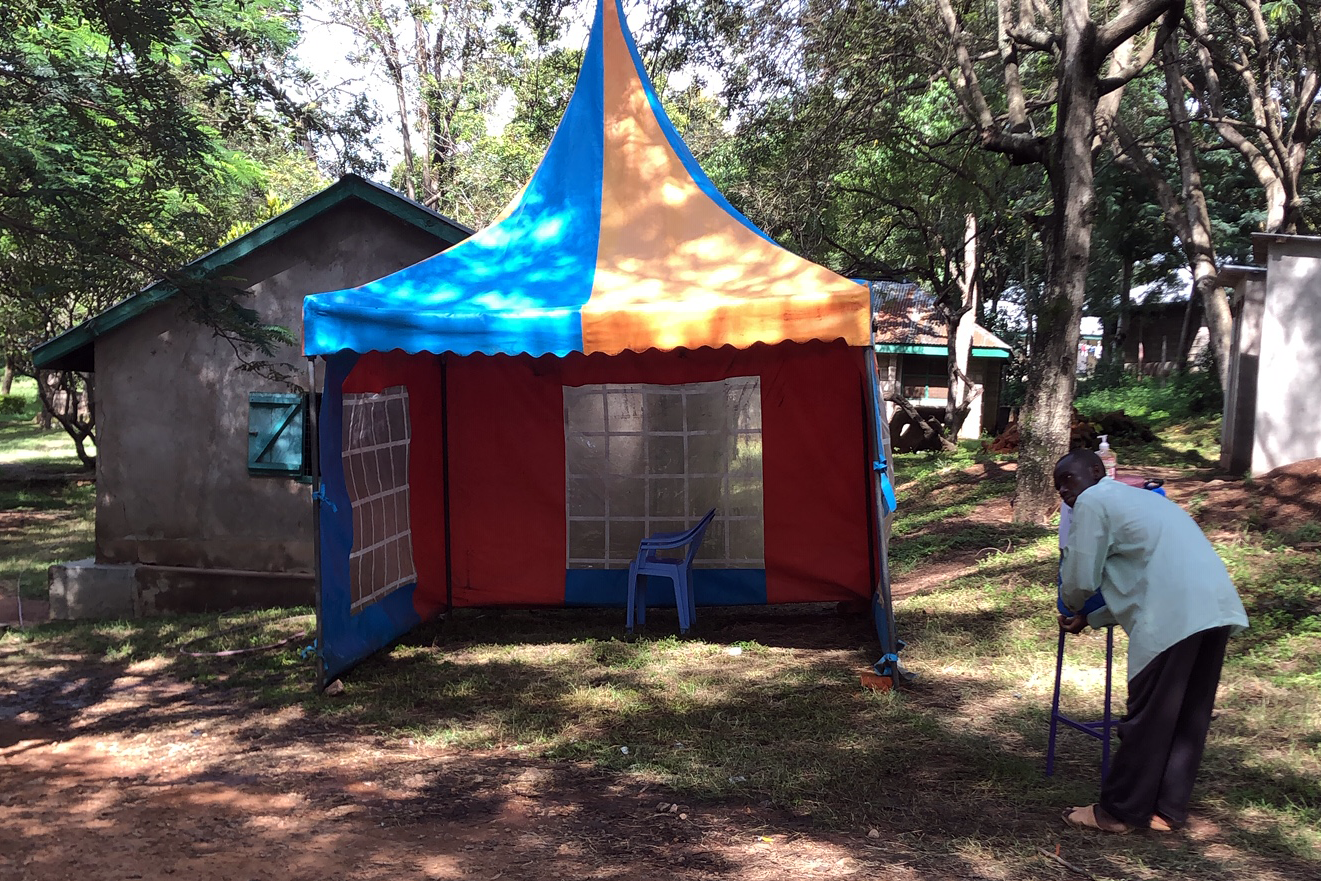
The changes were dramatic. The original clinic built in 1986 complete with solar system was still there, but adjoining it was a brand new clinic twice the size. The clinic is staffed entirely by Kenyans, and they actually had electronic medical records for their HIV patients. I was flabbergasted to see that the provider could actually get on the computer and pull up the most recent labs, including HIV viral loads of their AIDS patients. This was done in cooperation with the University of Maryland. Anti-retroviral therapy was also carefully assessed and distributed. In 1990, we estimated 8 percent of our clinic patients had HIV. In the mid 90’s this soared to over 30% and now the numbers are down to about 15%.
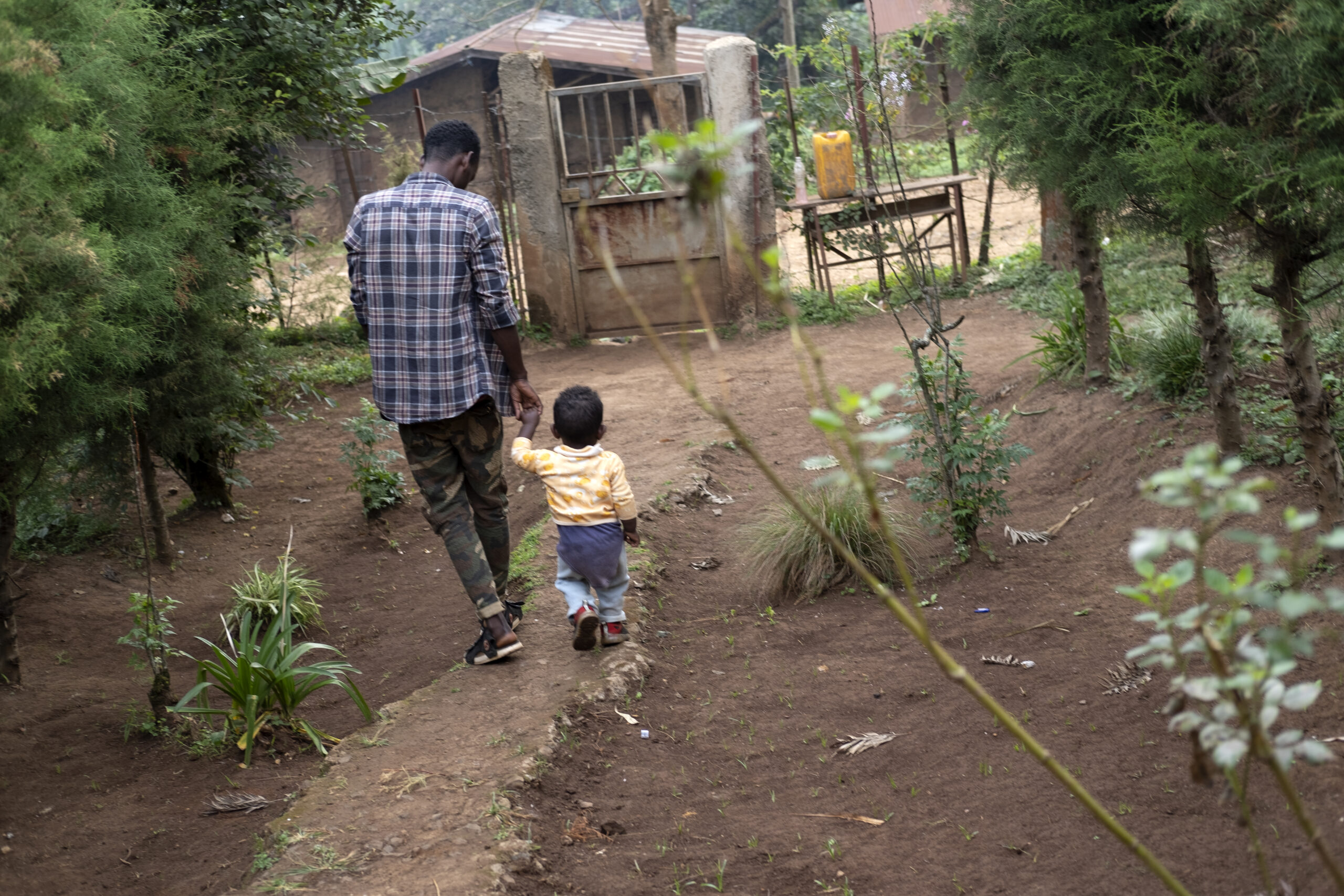
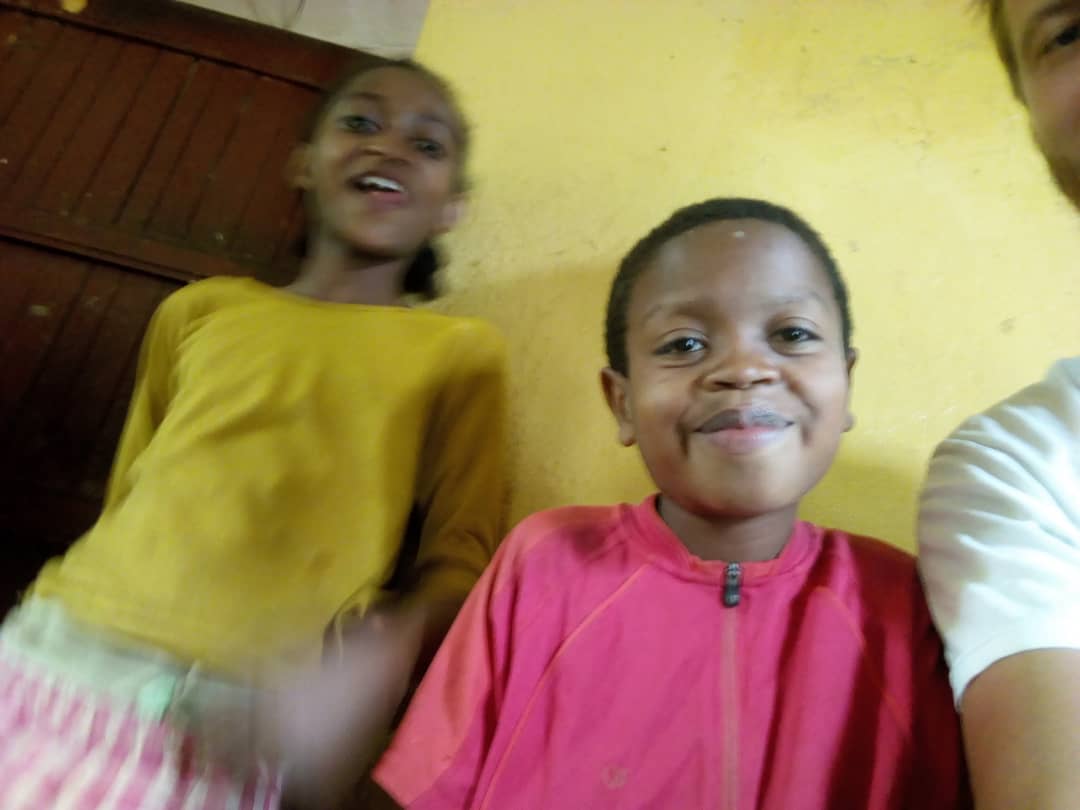
AIDS has devastated this village and left scores of children without parents. When we left we knew this was coming. What we didn’t know was how any community could cope. Lalmba has led the way, and the community leaders they have chosen have stepped up to provide for all those unable to provide for themselves. The orphanage started in 1997 and now cares for 40 orphans. It is a shining emerald to see. But the children are the real jewels: well fed, well dressed with shoes, and articulate, with hope for their futures. But even more impressive is the fact that Lalmba supports more than 1000 AIDS orphans who live with guardians throughout the community.
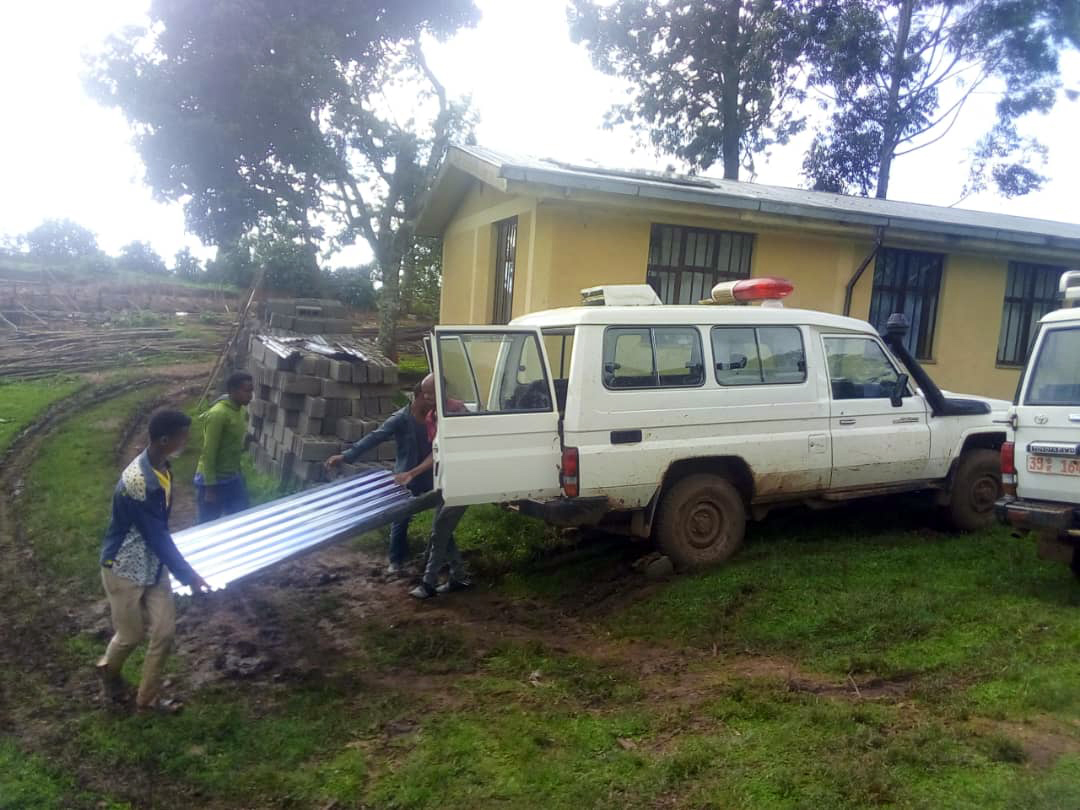
In 1990, the only motor vehicle around the lake was our Land Rover. Fishing boats were all dependent on their sails and all transportation was on foot or bicycle. An ambulance consisted of a chair mounted with leather straps on the back of a bike, or a crude wooden wheelbarrow. The clinic now has its own bona fide ambulance, and 30 years of investment in this community has seen commerce grow dramatically. There are now stores, restaurants, hotels, and even a small movie theater, assisted by the cell tower less than a mile from the clinic. A boatbuilding industry has populated the lake with many vessels for fishing and transportation — many have outboard motors. Motor bikes abound and are the friendliest transport for the rough roads, but cars also grace the village.
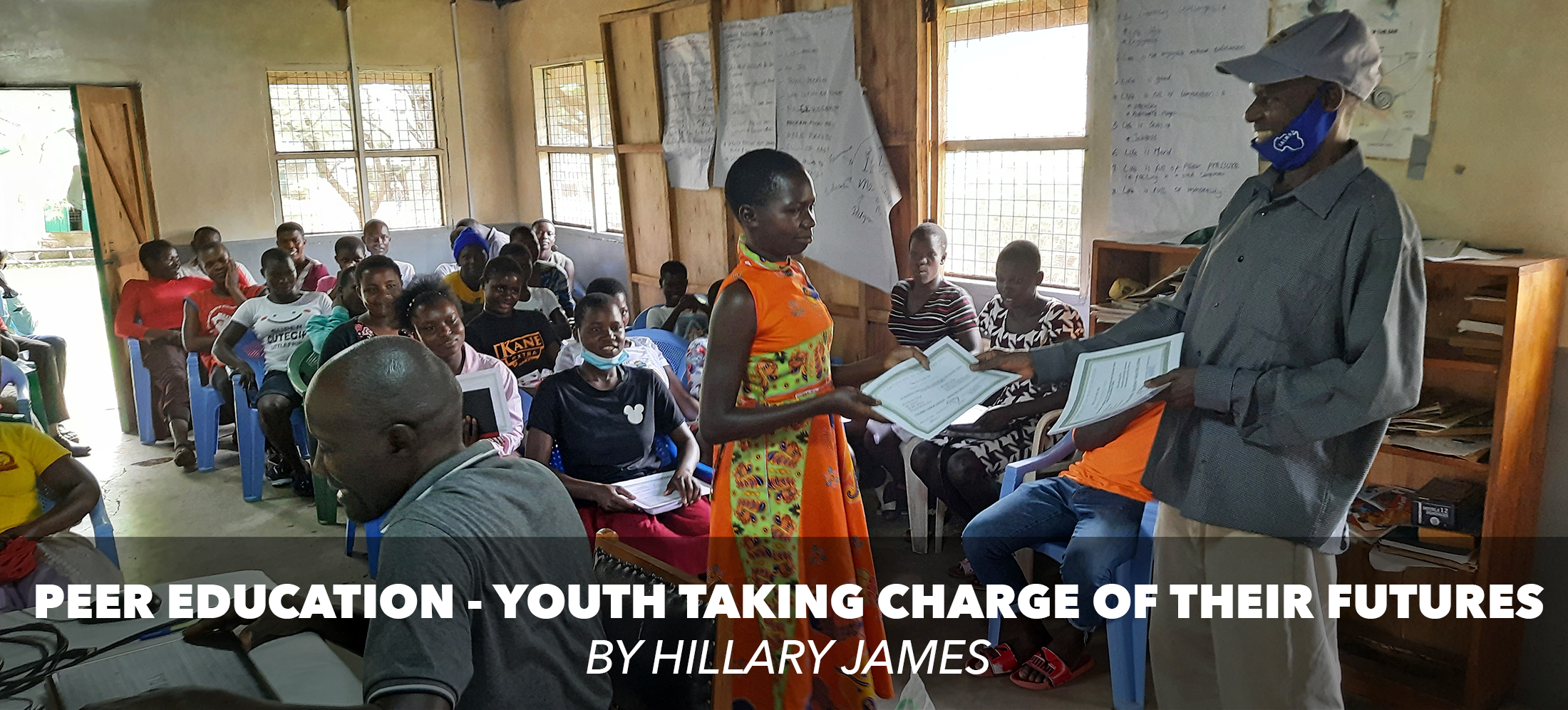
The education system has grown dramatically. I remember only a 1-room schoolhouse with about 30-40 students studying from texts that dated back to the 1950s. Now there are many schools with hundreds of students. One local school has over 300 students and scored in Kenya’s top decile for standardized testing. The school has access to computer technology and attracts students from Tanzania because of their high marks.
You can see why I was moved to tears of joy! So much progress. So much to celebrate. And all against overwhelming odds of failure. Perhaps, the biggest success I witnessed was not in the economic growth or the structural growth but in the attitudinal shift of community members and staff.
In the early days, we were so often approached by people asking if we could bail them out of debt or give them something. Of course some of that still exists, but now I see students and staff members working together to take the initiative to make their own lives successful. Lalmba, and the dozens of volunteers who have served, have given these people hope by providing strong leadership, community development, and basic resources for survival—health care, education, and economic opportunity. Lalmba has helped to create an entire village of leaders, and those leaders are training the next generation of visionaries. I have no doubt that, against all odds, they will lead themselves down a road to a brighter future. Clearly, all the long days and endless clinic hours have made a difference.
And that should bring joy, in all its forms, to us all.