
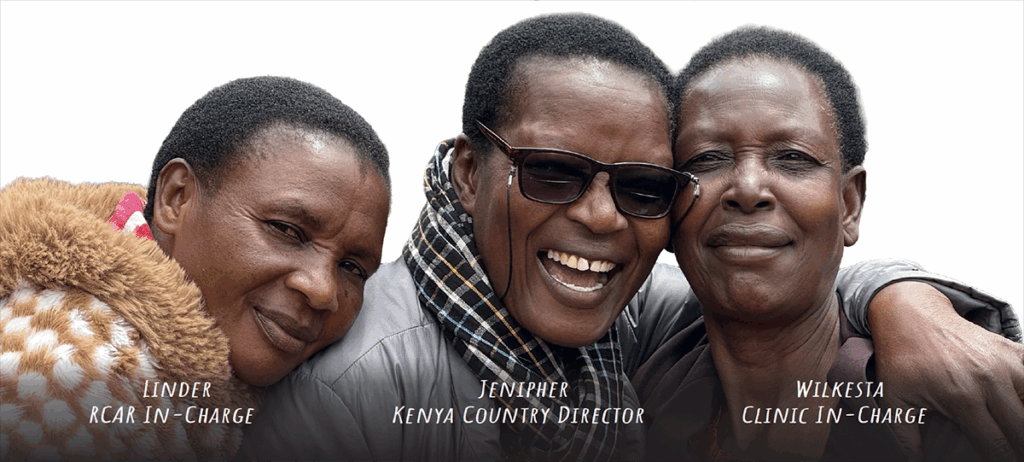
Walk into Lalmba’s Matoso clinic in rural Kenya, and you might think you’ve stumbled into a private health facility run by local professionals. That’s exactly the point.
The staff are speaking Doluo with their patients, the nurse grew up just a few villages away, and the country director understands the cultural nuances of working with local elders. This isn’t a temporary outpost run by people on short assignments. It’s Kenyans helping Kenyans.
And that difference is everything.
For many organizations, leadership is imported. But at Lalmba, our greatest strength is that our leadership is grown from within.
We believe that sustainable change can only be defined and led by the people who live in the communities every day. They know the people, the culture, the language, and the history in a way no outsider ever could.
This commitment to local wisdom is what builds the kind of deep, generational trust required for a clinic or a child support program to last. We’ve been working in Matoso since 1984.
Take Jenipher Atieno, our Kenya Country Director. She didn’t arrive with a suitcase and a two-year contract. She started as a cook and worked her way up. She understands the challenges firsthand, and has earned the respect of both her colleagues and the communities we serve.
“I’ve lived these challenges,” Jenipher explains about her approach. “When I make decisions about our programs, I’m not guessing what might work. I know what works because I’ve been here.”
About 600 miles away in the mountains of Ethiopia, Atinafu Yohanis leads our work there. He grew as beneficiary of Lalmba’s RCAR (Reaching Children At Risk) program. Like, Jenipher, he understands the terrain and the cultural dynamics that make it possible for Lalmba to work in such remote villages.

“Trust is everything in our communities,” Atinafu notes. “When people see that their own neighbors are leading these programs, they know we’re here to stay.”
This local fluency shows up in every decision. Our staff know which elders to consult before starting new programs. They know how to respectfully partner with traditional healers. They work within the existing community systems, which creates natural checks and balances that protect both our resources and our relationships.
Perhaps most importantly, this approach creates continuity. When you invest in local leaders from the beginning, institutional knowledge doesn’t walk out the door after two years. The transition from one director to the next is nurtured of many years and with as much foresight as we can manage.
This is what authentic development looks like.
This doesn’t mean international support isn’t valuable. These communities cannot sustain the clinics and services Lalmba offers without our donors. But our partnership changes the dynamics in the relationship.
Instead of bringing in foreign expertise to run programs, we give local leadership the skills to lead them. Instead of imposing external solutions, we support internal innovation. Our commitment is to walk alongside, to offer the stability and resources our local teams need to define their own flourishing future.

The answer to what makes Lalmba different isn’t complicated, but it is profound: We believe the people who can help these rural communities the most are the people who come from them.
That’s the missing ingredient in so much development work. And it’s what allows Lalmba’s approach to create deep roots that truly last.